Energy & climate businessSustainable finance
Green bond issuance rises 29% in Q3 2026, Moody's says, as banks and companies raise climate targets
Moody's expects sustainable bond issuance to rebound to a multi-year high, while lenders from AIB to the ECB push deeper into climate risk and green lending.
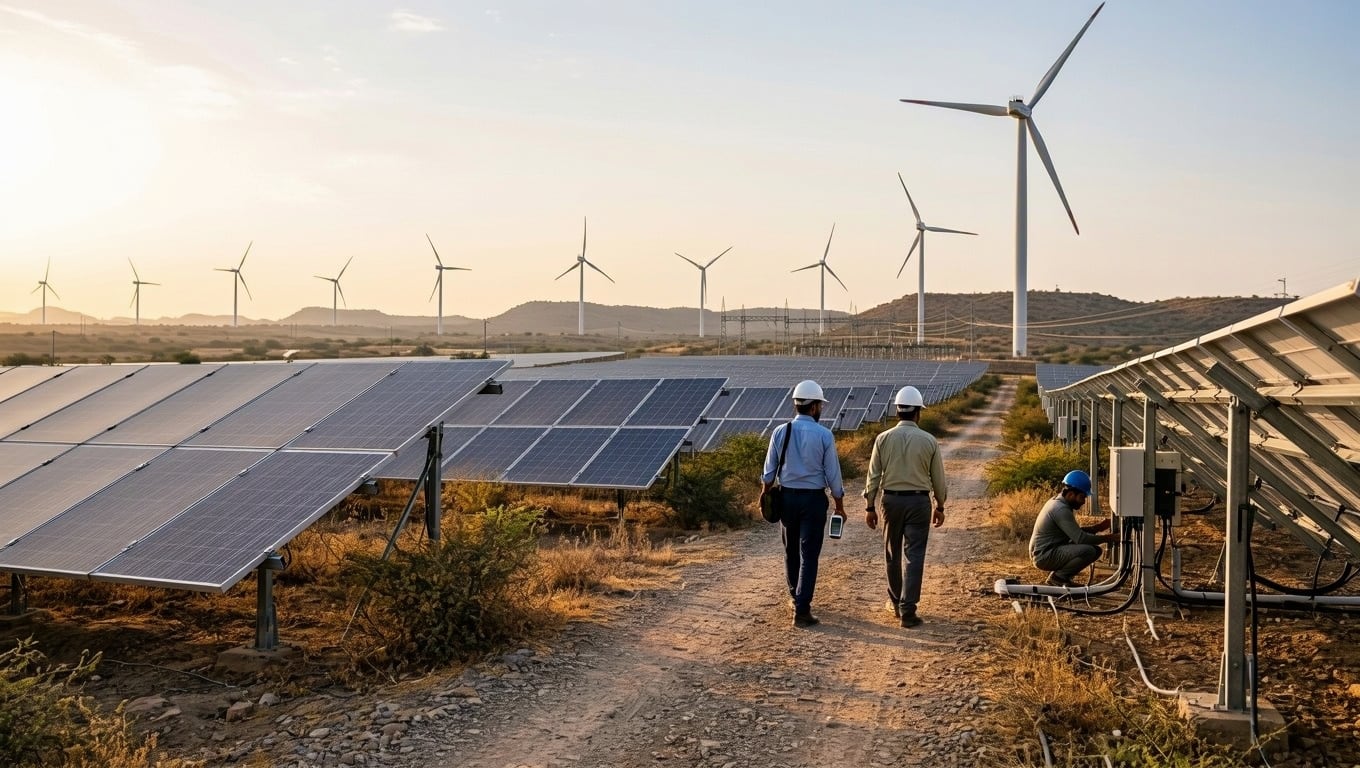
 AI illustration
Why it matters
Sustainable finance is moving from pledges to balance-sheet commitments. For businesses, that means more lenders and investors asking for emissions and nature data, and more capital chasing clean energy and supply chain projects. For savers and borrowers, bank climate risk reviews can shape which loans and mortgages are offered and on what terms.
AnalysisGreen bond issuance rose 29% in the third quarter of 2026, according to Moody's, which said sustainable bond issuance is on track to rebound to a multi-year high. Green bonds are debt instruments whose proceeds are earmarked for environmental projects. The reports summarised by ESG Today do not give the base period or the absolute value of issuance behind the 29% figure.
AnalysisThe pickup in debt markets came alongside fresh lending targets from banks. AIB doubled its sustainable lending goal to €60 billion by 2030, a commitment to finance projects judged to have environmental or social benefits.
What does this mean for businesses?
AnalysisMore capital is being labelled sustainable, and more of it comes with conditions. Tesco asked 400 key suppliers to join an emissions data sharing programme, a sign that large buyers are pushing reporting requirements down their supply chains.
AnalysisData providers are consolidating to meet that demand. UL Solutions agreed to acquire supply chain sustainability data platform Worldly for $350 million, while Banque des Territoires acquired a stake in ESG ratings provider EthiFinance.
AnalysisCorporate money is also going directly into projects. GM backed a $550 million solar investment described as its largest clean energy deal to date, and Amazon set a goal to cut electricity carbon intensity by 65% by 2030 alongside a target of $7 billion in new renewable energy investment in India by 2030.
AnalysisFund managers are raising dedicated vehicles. CIP launched a $1 billion energy transition infrastructure credit fund, Pantheon invested $600 million in a Mirova energy transition portfolio, and Inditex backed a $250 million fashion supply chain decarbonisation fund.
Regulators tighten the frame
AnalysisPolicy is moving in two directions at once. The EU struck a deal on new sustainable fund rules under SFDR 2.0 and greenlit a $10 billion Dutch offshore wind scheme, but also reached a deal to delay methane monitoring and reporting rules.
AnalysisSupervisors are looking harder at banks. The ECB plans to launch deep dives into banks' management of climate and nature risks, and TNFD called for a mandatory ISSB nature reporting standard by 2030.
AnalysisRead together, the bank targets, fund launches and supervisory reviews point to a market where climate data is becoming part of credit and investment decisions rather than a separate reporting exercise.
AnalysisGreen bonds are fixed-income instruments whose proceeds are ring-fenced for environmental projects; issuance figures track the value of new bonds sold in a period.
What it means
- What happened
- Green bond issuance rose 29% in Q3 2026 and Moody's expects sustainable bond issuance to rebound to a multi-year high, while banks, companies and regulators announced new climate commitments.
- Why
- Lenders and investors are building climate and nature risk into lending and portfolio decisions, and large buyers are asking suppliers for emissions data.
- Who benefits
- Clean energy developers, sustainability data providers and companies able to document emissions performance stand to gain access to capital and contracts.
- Who loses
- Suppliers without emissions data may face tougher demands from large buyers such as Tesco.
- Who is affected
- Banks, fund managers, large corporates and their suppliers across the EU, UK, US and India.
- What to watch next
- The ECB's planned deep dives into bank climate and nature risk management, and TNFD's call for a mandatory ISSB nature standard by 2030, set the direction of travel.
- The background
- Moody's said sustainable bond issuance is on track to rebound to a multi-year high.
Timeline
ESG Today published its Week in Review covering sustainable finance, climate and policy developments.
ECB plans to launch deep dives into banks' management of climate and nature risks.
TNFD calls for a mandatory ISSB nature reporting standard.
Amazon targets a 65% cut in electricity carbon intensity and $7 billion in renewable energy investment in India.
AIB doubles its sustainable lending goal to €60 billion.
Sources
Written with AI assistance from the sources listed above. Its numbers were checked against those sources and the article was proofread before publication. Not investment advice. How we work