Tech businessIMF at APEC
IMF chief warns AI demand will force central banks to raise interest rates
Kristalina Georgieva also flags further AI-market correction, rising debt risk and an urgent need to prepare workers and digital infrastructure.
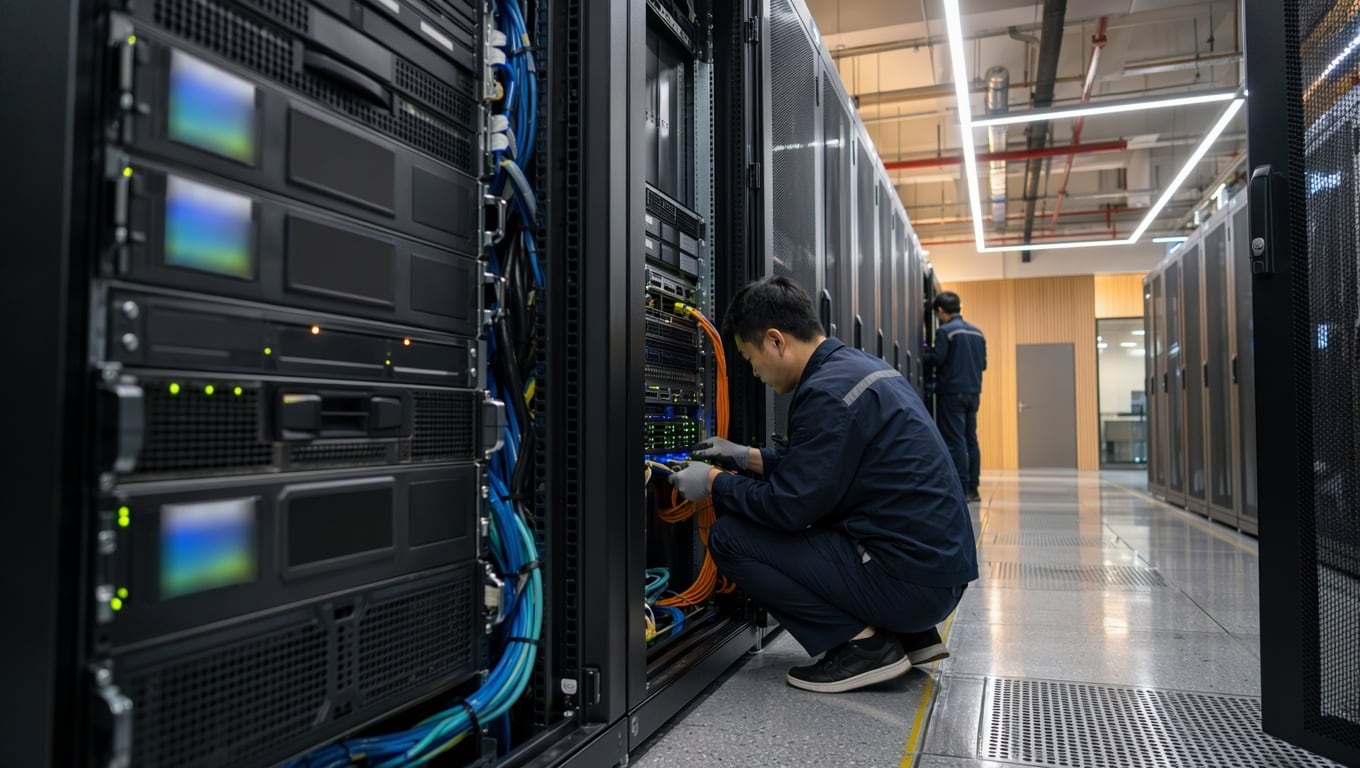 AI illustration
Why it matters
AI is now being framed as a macroeconomic force, not just a technology trade. If its demand pushes inflation and borrowing costs higher, business investment, hiring plans and financing costs could be affected. The call to prepare infrastructure and workers also turns AI readiness into a competitiveness question.
Kristalina Georgieva, managing director of the IMF, made the remarks from the sidelines of the APEC leaders’ summit in Shenzhen on 19 November 2026, where she spoke to Bloomberg’s Stephen Engle.
““You snooze, you lose” — Kristalina Georgieva, IMF managing director.”
Kristalina Georgieva
ForecastGeorgieva said she expects “perhaps a little bit more correction” in artificial intelligence-related markets and sees debt risk rising.
AnalysisShe said demand for AI hardware and related technology products is pushing up consumer prices around the world, and she highlighted mounting inflationary pressures from energy supply disruptions as well as artificial intelligence.
ForecastThe IMF head warned that booming demand for artificial intelligence will force the world’s most powerful central banks to raise interest rates.
She called for tighter monetary policy as global inflation rises to 4.7%.
Georgieva urged countries to “quickly prepare” their digital infrastructure, labour markets and workers for AI, while preventing risks, especially in ensuring financial stability and cybersecurity.
She said: “We are facing the fastest transformation in the history of humanity.”
AnalysisAccording to Georgieva, 2026 has been the first year in which AI has had a tangible impact on global growth, acting as a counterweight to the effect of the war in the Middle East on energy supplies.
ForecastLooking further out, she said the energy crisis will eventually dissipate, AI is here to stay, and AI will be the most significant factor for competitiveness, productivity and growth in the medium term.
AnalysisWhat does this mean for business? The remarks link AI demand directly to consumer prices and the prospect of higher borrowing costs, not only to productivity gains. For employers, readiness now spans digital infrastructure, labour markets and workers; the IMF chief’s warning suggests that slow adoption carries an economic penalty.
The APEC meeting placed AI among the priorities promoted by China, alongside free trade and regional connectivity. The Shenzhen gathering was due to culminate on Thursday 19 November with the first three-way encounter between the presidents of China, the United States and Russia.
What it means
- What happened
- The IMF managing director spoke at the APEC leaders’ summit in Shenzhen on 19 November 2026 and warned that AI demand is pushing up consumer prices, will force major central banks to raise interest rates, and requires faster preparation of digital infrastructure, labour markets and workers.
- Why
- AI demand is no longer just a market theme; Georgieva links it to inflation and borrowing costs, while energy supply disruptions add pressure.
- Who benefits
- Countries and companies that quickly prepare infrastructure and workers for AI; China has placed AI among its APEC priorities.
- Who loses
- Slow adopters, according to Georgieva’s warning; borrowers could face higher rates if central banks tighten.
- Who is affected
- Central banks, businesses, workers, financial stability and cybersecurity.
- What to watch next
- Georgieva expects the energy crisis to eventually dissipate and AI to remain the most significant medium-term factor for competitiveness, productivity and growth.
- The background
- Georgieva said 2026 is the first year AI has had a tangible impact on global growth, acting as a counterweight to the Middle East war’s effect on energy supplies.
Timeline
IMF Managing Director Kristalina Georgieva spoke at the APEC leaders' summit in Shenzhen and made remarks on AI, inflation, interest rates and preparation for AI.
Georgieva told Bloomberg's Stephen Engle from the sidelines of APEC that she expects a little more AI correction and sees debt risk rise.
APEC Shenzhen meeting culminates with the first three-way encounter between the presidents of China, the United States and Russia.
Sources
- BloombergIMF Chief Sees ‘Little Bit More’ AI Correction, Debt Risk Rise
- The GuardianIMF head warns AI demand will push up interest rates around the world
- The Hindu BusinessLineIMF chief calls for tighter monetary policy as global inflation rises to 4.7%
- MercoPressIMF’s Georgieva at APEC: countries must “quickly prepare” for artificial intelligence
Written with AI assistance from the sources listed above. Its numbers were checked against those sources and the article was proofread before publication. Not investment advice. How we work