Tech businessOperations
NVIDIA's operations chief spends six weeks a year with the partners building its AI systems
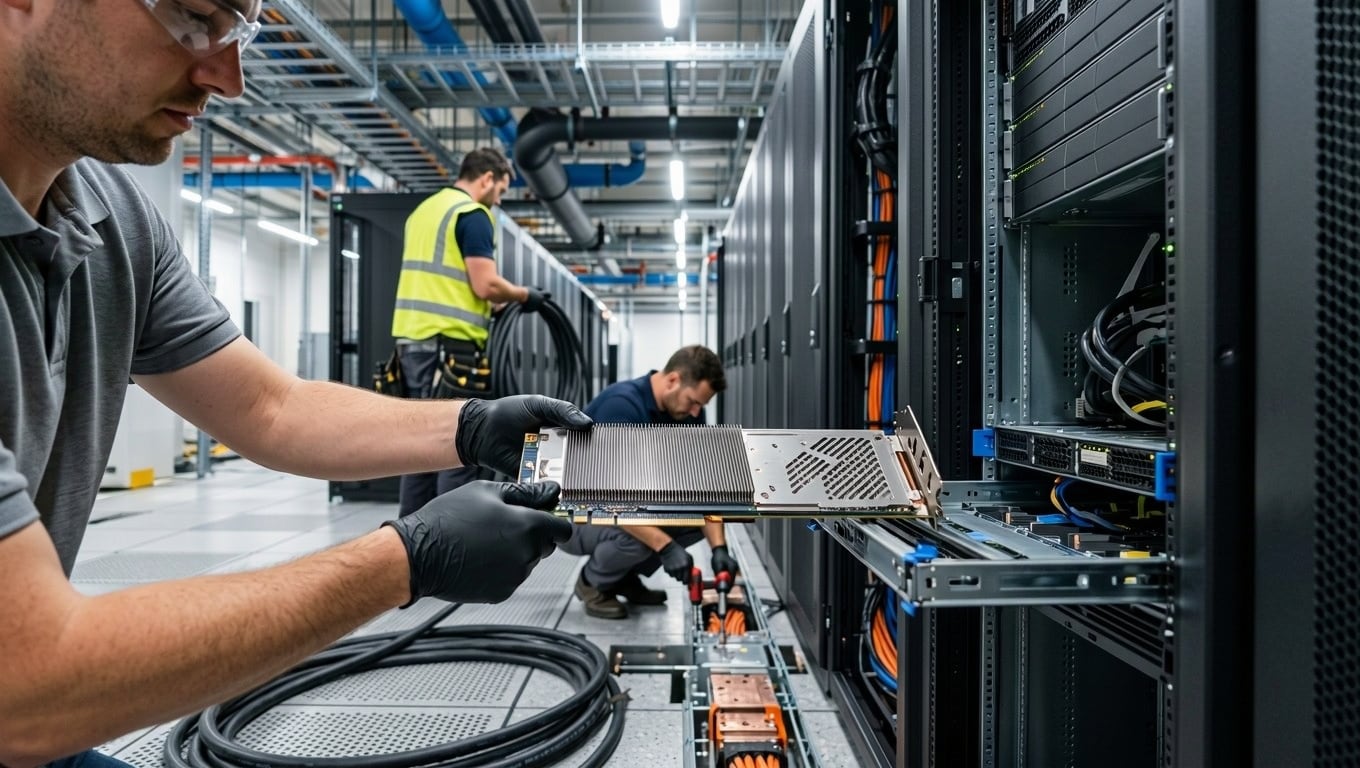
Deb Shoquist, who has run NVIDIA's supply chain for more than two decades, says suppliers must be able to fund ramps, work at high technical precision and attempt things never done before. The account comes from NVIDIA's own profile of its supply chain.
 AI illustration
Why it matters
For founders and suppliers, NVIDIA's account of its operations describes what it says it takes to stay on an AI contract: balance-sheet strength to fund a ramp, deep technical capability and willingness to build something new. For investors, it shows how much of the AI build-out depends on partners beyond chipmaking itself. The picture is drawn entirely from NVIDIA's own profile, with no independent confirmation or supplier comment.
AnalysisDeb Shoquist leads operations at NVIDIA, overseeing the supply chain and manufacturing behind its AI platforms, and has run the company's supply chain operations for more than two decades. The role now stretches well beyond chips. She meets key suppliers quarterly and spends six weeks each year visiting partners in Taiwan, China, Korea, Vietnam and the U.S., according to a company profile of its AI infrastructure supply chain published on 16 November 2026.
AnalysisThe partner list spans contract chipmaking, assembly and testing, substrates, optics and interconnect: TSMC, Foxconn, Wistron, SPIL, King Yuan Electronics, Unimicron, Lumentum, Coherent and Amkor. Some relationships are long-standing. TSMC has worked with NVIDIA since 1998, and SPIL and KYEC were assembling and testing NVIDIA chips more than two decades before the profile was published.
AnalysisShoquist frames the job as turning designs into physical products through a reliable, high-performance supply chain. Her test for suppliers has three parts: they must be financially strong enough to invest in NVIDIA's ramps, highly technical, and willing to do something never done before. She also says NVIDIA has moved from being primarily a chip manufacturer to a data centre systems company, which requires more partners.
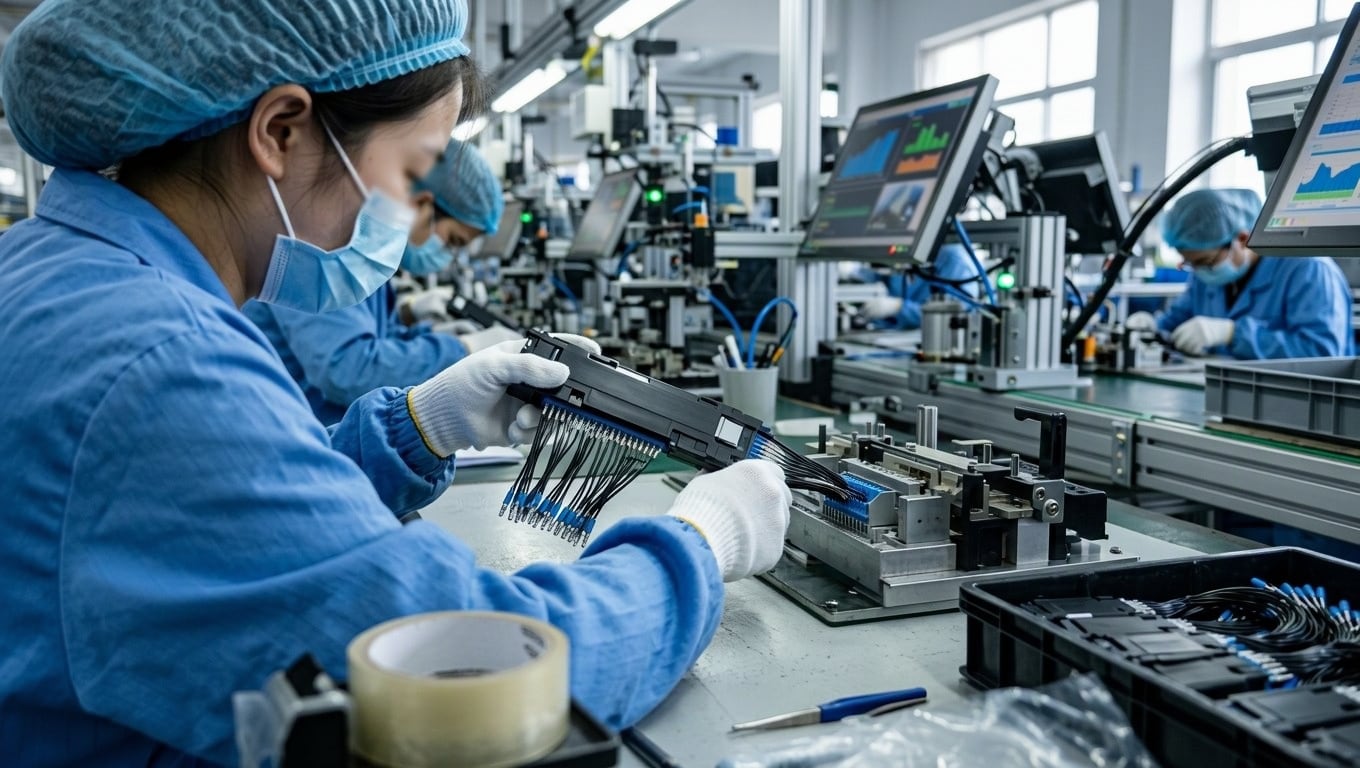
AnalysisThat shift is visible in the detail, as NVIDIA tells it. Amphenol's cable cartridge is, in Shoquist's description, the most complex interconnect assembly the company has ever built, and its Vietnam factory making it is in full production. The large cartridge holds 1,500 small cable legs, each requiring precise assembly to a quality level of less than 1 DPPM — defects per million parts. Amphenol built over a hundred automated lines to hit the required speed and scale. These figures come from NVIDIA's profile and have not been independently verified.
AnalysisNVIDIA says it supported and invested in optical component partners Coherent and Lumentum because they lacked the scale or capital to build fabs for the needed volume. The profile does not say how the investment was structured, how much was involved or when it was made. With products such as co-packaged optics, NVIDIA says it is creating entirely new supply chains with scale partners new to the optics world.
AnalysisShoquist says tight relationships with people deeper in supplier organisations allow open dialogue about manufacturing challenges. She accepted the 2026 Dr. Lisa Su Woman of Innovation Award, according to the profile.
AnalysisANALYSIS: The profile suggests that for NVIDIA's suppliers, winning a place on an AI programme is as much a financing and engineering commitment as a commercial one — a point worth weighing for smaller firms eyeing AI-linked contracts.
What it means
- What happened
- NVIDIA published a profile of its AI infrastructure supply chain and its operations chief, Deb Shoquist, on 16 November 2026.
- Why
- The company says it has moved from being primarily a chip manufacturer to a data centre systems company, which requires more partners.
- Who benefits
- Suppliers with the balance sheet and technical depth to take on new work, and the partners NVIDIA says it has invested in.
- Who loses
- Suppliers unable to fund ramps or meet precision requirements.
- Who is affected
- Founders and executives in electronics manufacturing, optics and interconnect; investors tracking AI infrastructure.
- What to watch next
- NVIDIA's account points to continued reliance on partners new to optics as co-packaged optics scale; the profile gives no timetable.
- The background
- TSMC's partnership with NVIDIA dates to 1998; SPIL and KYEC have assembled and tested NVIDIA chips for more than two decades.
Timeline
TSMC begins its partnership with NVIDIA.
SPIL and KYEC begin assembling and testing NVIDIA chips (more than two decades before 2026).
Deb Shoquist accepts the 2026 Dr. Lisa Su Woman of Innovation Award.
NVIDIA publishes profile of its AI infrastructure supply chain and operations chief Deb Shoquist.
Sources
Written with AI assistance from the sources listed above. Its numbers were checked against those sources and the article was proofread before publication. Not investment advice. How we work