China wholesale inflation hits four-year high as consumer prices cool
Producer prices rose 5.7% in October, above the 5.3% economists expected, while consumer inflation slowed — a split signal for businesses on both sides of the supply chain.
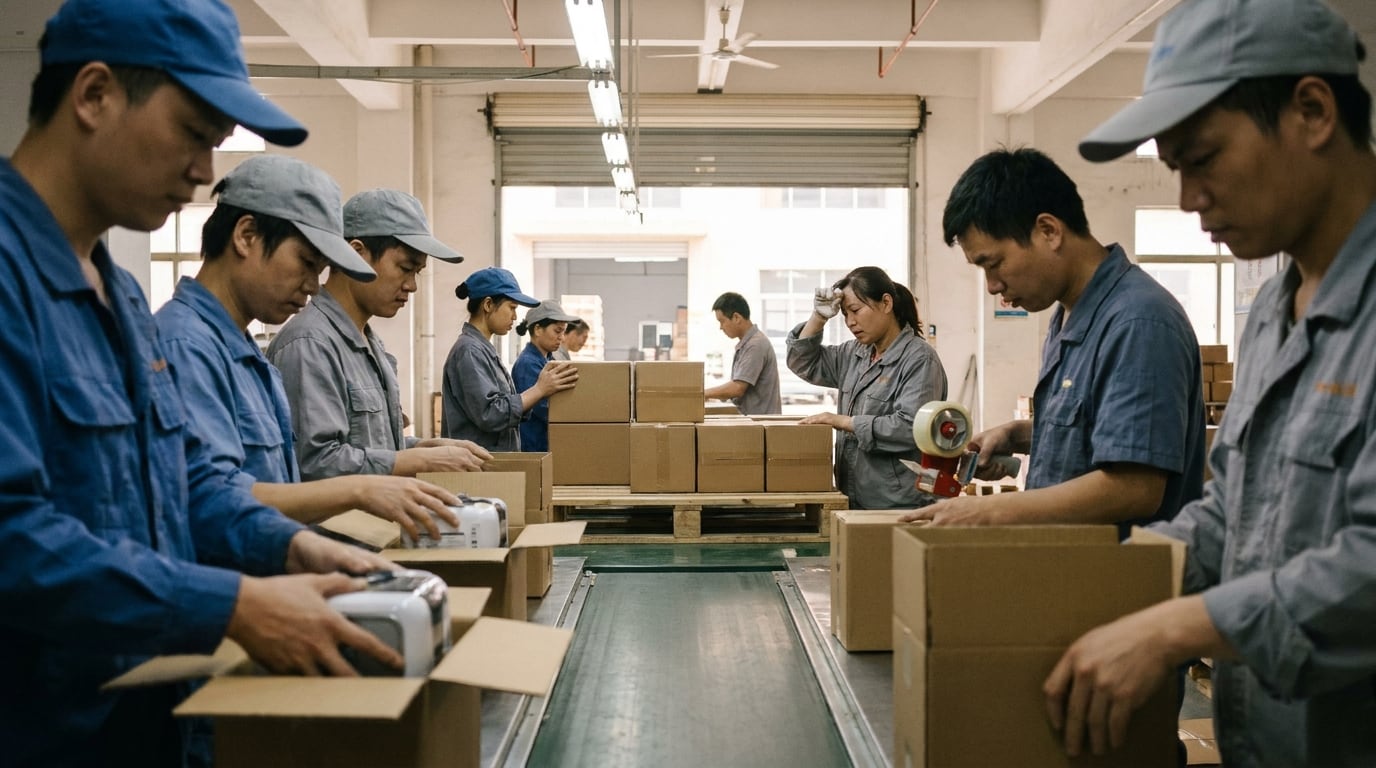 AI illustration
Why it matters
Wholesale prices tell you what businesses pay; consumer prices tell you what they can charge. When the two diverge, margins may come under pressure somewhere in the chain — and for companies that buy from or sell into China, that is a planning assumption, not a headline.
China's producer price index (PPI) — a measure of the prices factories receive for their goods before they reach shops — rose 5.7% in October, the fastest pace in more than four years. Economists polled by Reuters had expected 5.3%.
Over the same month, China's consumer inflation measure slowed.
What does this mean?
AnalysisThe two readings describe different points in the same chain. Producer prices capture what manufacturers and processors are paid at the factory gate; consumer prices capture what households pay in shops. A gap between them may indicate that cost pressure building upstream is not being passed through downstream in full — but the aggregate indices do not show how much is passed through, and that depends on which components moved.
AnalysisFor businesses that buy Chinese-made components or finished goods, a rising PPI is a signal that input costs are firming. For businesses selling into China, slower consumer inflation points to weaker pricing power on the shelf. How far either effect reaches gross margin — the difference between what a company pays for what it sells and what it charges for it — depends on the specific commodities or consumer categories a firm is exposed to, and on its contracts.
AnalysisThe scale of the producer reading is the notable part. At 5.7%, October's figure is the highest in more than four years, and it came in above what economists polled by Reuters had forecast.
It is not yet known which components of the producer basket drove the October reading, or how much of the upstream increase will reach consumers in the months ahead.
The wider picture
AnalysisProducer and consumer inflation moving in opposite directions puts the focus on the margin between the two. Companies with long-term supply contracts, or with the ability to reprice quickly, are better placed than those locked into fixed prices on both sides.
AnalysisFor investors and analysts, the practical question is whether the producer reading represents a one-month spike or the start of a sustained cost cycle. A single month's data cannot settle that.
What it means
- What happened
- China's producer price index rose 5.7% in October, a four-year high, against 5.3% expected by economists polled by Reuters, while consumer inflation slowed.
- Why
- Factory-gate prices and consumer prices are moving in opposite directions, so cost pressure upstream may not be fully passed through downstream; the extent is unknown without component data.
- Who benefits
- Businesses able to reprice quickly, and those with pricing power on the shelf, are better placed to protect margins.
- Who loses
- Businesses locked into fixed prices on both the buying and selling side may face a squeeze on gross margin, depending on their exposure.
- Who is affected
- Manufacturers, importers of Chinese goods, retailers selling into China, and analysts tracking Chinese inflation.
- What to watch next
- It is not yet known which components drove the producer reading or how much of the increase will reach consumers.
- The background
- October's producer reading is the highest in over four years.
Timeline
China's PPI for October was 5.7%, above the 5.3% expected by economists polled by Reuters.
CNBC reported that China wholesale inflation hit over a four-year high as consumer measure slowed.
Sources
Written with AI assistance from the sources listed above. Its numbers were checked against those sources and the article was proofread before publication. Not investment advice. How we work